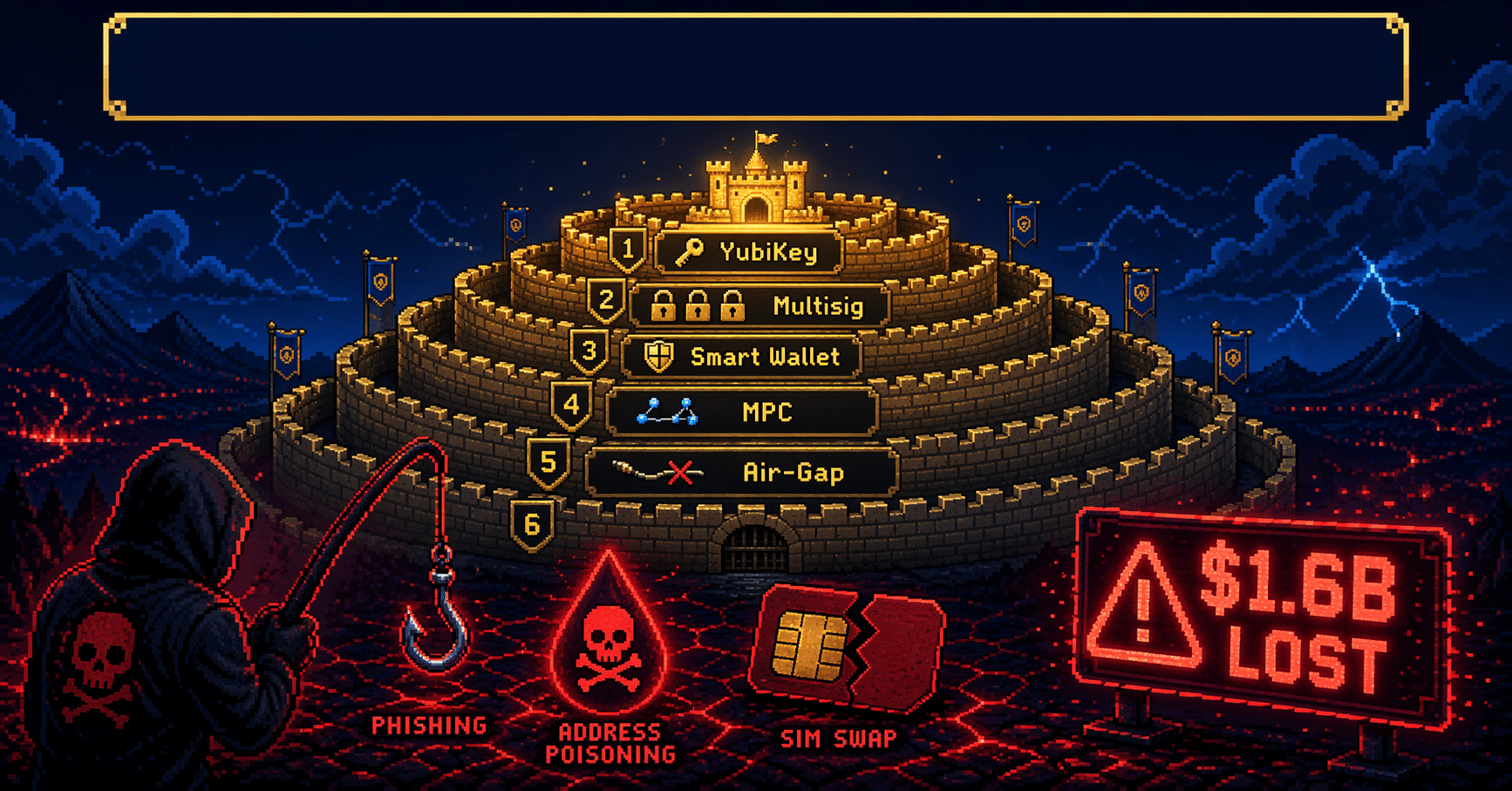
In January 2026, a single phishing attack stole $284 million from one individual. The victim did not have their smart contract drained by a bug. Their hardware wallet was not remotely hacked. They were simply tricked into sharing their seed phrase by someone posing as official customer support. One mistake cost everything. Over $1.6 billion has already been lost in the first half of 2026 due to access control failures (leaked private keys, SIM swapping, and insider threats).
Basic security (a hardware wallet, a seed phrase written on paper, 2FA with an authenticator app) is no longer sufficient for anyone holding significant crypto. The attackers have industrialized. They use AI deepfakes, Drainer‑as‑a‑Service platforms, and automated address poisoning campaigns that generate over 160,000 poisoned transactions daily.
This crypto security advanced guide is for those ready to graduate from basic security to institutional‑grade protection. We’ll cover multisignature wallets, hardware security keys, Distributed Key Generation, smart contract wallets, air‑gapped signing, and the layered defense strategies that separate secure holders from vulnerable ones.
🎟️ Special Promotion: Attending the world’s largest crypto festival? Use promo code A20ARTAKG for 20% off Coinfest Asia 2026 tickets in Bali (20‑21 August). Get your tickets here.

Why Basic Security No Longer Suffices
Many crypto users believe that owning a hardware wallet makes them secure. They’re wrong. In January 2026, the largest single loss ($284 million) came from a hardware wallet user. A Trezor owner tricked into revealing their seed phrase by a scammer posing as official Trezor customer support. The hardware wallet’s secure element, its PIN protection, its offline key storage (none of it mattered once the user voluntarily shared the seed phrase).
The Attack Surface Has Exploded
| Threat Vector | 2024‑2025 | 2026 |
|---|---|---|
| Address poisoning attempts | ~160,000/day | >160,000/day (65.4M total flagged) |
| Phishing losses (January) | ~$98M | $311M (217% increase) |
| Access control failures (H1) | – | $1.6B+ |
The Basic Security Checklist Is Incomplete
Basic security (hardware wallet, 2FA with authenticator app, written seed phrase) is the minimum. For anyone holding significant value, it’s a starting point, not a destination. You need multiple layers of defense, each protecting against a different class of attack.
The 2026 Threat Landscape: What You’re Up Against
The Numbers That Define 2026
| Threat Category | 2026 Impact | Key Insight |
|---|---|---|
| Phishing & social engineering | $311M in January alone (84% of losses) | The primary attack vector |
| Access control failures | $1.6B+ lost in H1 2026 | Leaked keys, SIM swapping, insider threats |
| Address poisoning | 65.4M flagged, 3.4M in Jan 2026 (5.5× increase) | Post‑Fusaka fee reduction enabled mass poisoning |
| Drainer‑as‑a‑Service | $59M stolen from 63,000 individuals via 10,000+ phishing sites | Industrialized crypto theft |
| Smart contract exploits | $86M in January hacks | Persistent but lower share than social attacks |
The Industrialization of Crypto Crime
Attackers now operate at industrial scale. Drainer‑as‑a‑Service (DaaS) platforms provide malicious scripts to cybercriminals for a percentage of stolen funds (typically 5‑25%). One campaign compromised five DeFi protocols in a single week through frontend hijacking. A fake Ledger Live app passed Apple’s App Store review and drained $9.5 million from over 50 victims before Apple removed it.
Why Traditional Defenses Are Failing
Hardware wallets protect against remote hacking, but not against a user voluntarily approving a malicious transaction or revealing a seed phrase. SMS 2FA is being systematically defeated by SIM swapping, with criminals using social engineering to convince mobile carriers to port phone numbers. Even authenticator app 2FA can be bypassed by sophisticated real‑time phishing that captures one‑time codes. The attackers have adapted. Your defenses must adapt too.
The 3‑2‑1 Backup Rule: Your Foundation
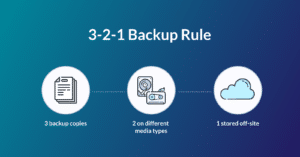
Before advanced security, master this. The 3‑2‑1 backup rule, borrowed from enterprise data management, is the non‑negotiable foundation for any advanced security strategy. It protects against the most common catastrophic failure: losing access to your seed phrase.
The Rule Explained
| Component | Requirement | Why |
|---|---|---|
| 3 copies | Three total copies of your seed phrase | Redundancy |
| 2 media types | Two different storage methods (e.g., paper + metal) | Not all failures are the same |
| 1 off‑site backup | One copy stored in a different physical location | Fire, flood, theft |
Metal Seed Storage: Not Optional for Significant Holdings
For holdings over $50,000, paper seed backup is insufficient. Paper burns. Paper disintegrates when wet. Paper fades over decades. Steel or titanium seed plates (engraved with your recovery phrase) survive fire, flood, and physical damage. Several manufacturers offer 316 stainless steel or titanium plates.
Advanced: Shamir Backup (Multi‑Share)
Trezor and certain smart contract wallets support Shamir Backup (SLIP39) (splitting your seed phrase into multiple shares). You define the threshold needed to recover (e.g., 2‑of‑3 or 3‑of‑5). This protects against single‑point failure: theft of one share doesn’t compromise funds; loss of one share doesn’t lock you out.
Critical Warning: All these backups protect against losing your seed phrase. They do NOT protect against revealing it to an attacker. Never, under any circumstances, enter your seed phrase into any website, app, or digital form.
Advanced Protection Layer 1: Hardware Security Keys
Beyond Authenticator Apps
Authenticator apps (Google Authenticator, Authy) are better than SMS, but they remain vulnerable to sophisticated real‑time phishing attacks that intercept one‑time codes. Hardware security keys (U2F/FIDO2 devices like YubiKey) eliminate this entire attack vector.
How Hardware Security Keys Work
Hardware security keys use public‑key cryptography. Your private key never leaves the physical device. When you log in, the website sends a challenge, the key signs it cryptographically, and the signature is verified. Phishing sites cannot intercept or replay this authentication because the signature is cryptographically bound to the specific website’s origin.
Why Hardware Keys Are Superior
| Feature | Authenticator App (TOTP) | Hardware Security Key (FIDO2) |
|---|---|---|
| Phishing resistance | Low (codes can be intercepted) | High (cryptographically bound to site origin) |
| SIM swap risk | None | None |
| Device compromise | If phone compromised, codes stolen | Key stores private key offline |
| Usability | Type 6‑digit code | Touch the button |
| Recovery | Backup codes | Multiple keys recommended |
Where to Use Hardware Keys
| Platform | Support Level |
|---|---|
| Coinbase | Full FIDO2 support |
| Kraken | Full FIDO2 support |
| Gemini | Full U2F support |
| Binance | Support varies by region |
| Google/Gmail | Full Advanced Protection Program |
| Apple ID | Full security key support |
The Two‑Key Strategy
Always register at least two hardware security keys. Store one on your person (keychain) and one in a secure off‑site location. If you lose your primary key, you can use the backup to regain access and revoke the lost key.
The $10 Million Insurance Policy
Hardware security keys cost $25‑55 each. For anyone holding significant crypto, that’s the cheapest insurance policy you’ll ever buy.
Advanced Protection Layer 2: Multisignature (Multisig) Wallets
The Single‑Point‑of‑Failure Problem
Traditional wallets (both hardware and software) rely on a single private key. If that key is compromised (by malware, physical theft, or social engineering) your entire wallet is drained. Multisignature (multisig) wallets eliminate this single point of failure by requiring multiple keys to authorize a transaction.
How Multisig Works
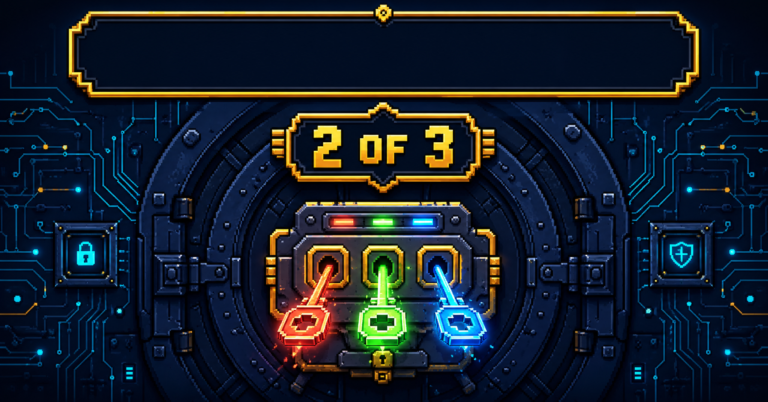
A multisig wallet is controlled by multiple private keys. You define the threshold required to sign a transaction. Common configurations include:
| Configuration | Meaning | Use Case |
|---|---|---|
| 2‑of‑3 | Any 2 of 3 keys must sign | Standard for personal security |
| 3‑of‑5 | Any 3 of 5 keys must sign | High‑security, distributed across team |
| 2‑of‑2 | Both keys must sign | Maximum security (higher risk of lockout) |
Why Multisig Is More Secure
Even if an attacker compromises one of your keys (through malware, theft, or social engineering) they cannot move your funds because they don’t control the other keys. For high‑value holdings, multisig transforms security from “protect one thing perfectly” to “multiple things must fail simultaneously.”
Hardware‑Backed Multisig: The Gold Standard
Hardware‑backed multisig wallets take security to a different level by storing private keys on physical devices like Ledger, Trezor, or Coldcard. This combines the offline security of hardware wallets with the distributed trust of multisig.
Popular Multisig Setups
| Setup | Hardware | Software | Best For |
|---|---|---|---|
| Personal 2‑of‑3 | Ledger + Ledger + Trezor | Electrum, Specter | High‑net‑worth individuals |
| Team 3‑of‑5 | Mixed hardware + phones | Casa, Unchained Capital | DAOs, partnerships |
| Institutional 3‑of‑5+ | Hardware + air‑gapped | Fireblocks, Cobo | Funds, exchanges |
The Trade‑offs
| Advantage | Disadvantage |
|---|---|
| Eliminates single point of failure | More complex setup and management |
| Survives individual key compromise | Requires backup of multiple seeds |
| Suitable for teams and shared custody | Higher transaction fees (multiple signatures) |
| Institutional‑grade security | Requires careful planning for key recovery |
Who Needs Multisig
If you hold more than $100,000 in crypto, you should seriously consider multisig. If you hold more than $500,000, it’s non‑negotiable. The complexity is real, but so is the risk of losing everything to a single compromised key.
Advanced Protection Layer 3: Smart Contract Wallets
The Evolution from EOAs to Smart Wallets
Traditional wallets are Externally Owned Accounts (EOAs) controlled by a single private key. If you lose that key, you lose everything. If that key is stolen, the wallet is drained. Smart contract wallets (also called smart wallets) replace this brittle model with programmable logic, offering features impossible with EOAs.
Key Features of Smart Contract Wallets
| Feature | What It Does |
|---|---|
| Multisignature | Native M‑of‑N signing requirements |
| Social recovery | Trusted guardians can help recover lost keys |
| Spending limits | Daily or per‑transaction caps |
| Allowlist/blocklist | Restrict transactions to specific addresses |
| Session keys | Temporary approvals without re‑signing |
| Batched transactions | Multiple operations in single transaction |
| Gas sponsorship | Pay gas fees from contract (gasless) |
Smart Contract Wallets vs EOAs
| Feature | EOA Wallet | Smart Contract Wallet |
|---|---|---|
| Key control | Single private key | Programmable rules |
| Recovery | Seed phrase only | Social/multi‑sig recovery |
| Spending limits | Not possible | Configurable limits |
| Multi‑sig | Not native | Built‑in support |
| Gas payment | Must pay own gas | Can sponsor gas |
| Transaction batching | One at a time | Multiple in single tx |
Leading Smart Contract Wallet Platforms (2026)
| Platform | Chain Support | Key Features |
|---|---|---|
| Safe (formerly Gnosis Safe) | 15+ EVM chains | Most popular multisig, DAO treasury standard |
| Ambire | EVM + Solana | Email/password login + hardware key support |
| Argent | Ethereum + Starknet | Social recovery, built‑in DeFi |
| Sequence | 15+ chains | White‑label solutions, advanced automation |
The ERC‑4337 Account Abstraction Revolution
ERC‑4337, now widely adopted across Ethereum and EVM L2s, standardizes smart wallet functionality without requiring changes to consensus. This has enabled features like gasless transactions, batched operations, and social recovery to become accessible to mainstream users.
Who Should Use Smart Contract Wallets
| Use Case | Recommended |
|---|---|
| DAOs and organizations | Safe (multisig with treasury management) |
| DeFi power users | Ambire, Sequence (session keys, gas sponsorship) |
| Institutional custody | Safe + hardware keys |
| Retail with >$100k | Argent (social recovery, user‑friendly) |
The Trade‑off
Smart contract wallets are more complex and have a larger attack surface than simple EOAs. The additional code introduces additional risk. However, for most high‑net‑worth users, the programmable security features outweigh the added complexity.
Advanced Protection Layer 4: MPC and DKG
Beyond Single‑Key Wallets
Multisig wallets distribute trust across multiple keys. MPC (Multi‑Party Computation) and DKG (Distributed Key Generation) represent an evolution: they distribute trust across multiple parties without ever assembling the full private key.
MPC vs Multisig: What’s the Difference?
| Feature | Multisig | MPC |
|---|---|---|
| Key storage | Multiple full private keys | Key shards never assembled |
| On‑chain footprint | Multiple signatures visible | Single signature |
| Gas cost | Higher (multiple signatures) | Lower (single signature) |
| Recovery | Each key separately backed up | Shards managed collectively |
| Auditability | Clear on‑chain | Off‑chain coordination |
| Maturity | Battle‑tested (Bitcoin era) | Newer, evolving |
Distributed Key Generation (DKG) for Hardware‑Secured Wallets
In April 2026, Circle Research published Star DKG (SDKG) , a new distributed key generation protocol designed specifically for crypto wallets that use hardware‑enforced key isolation, addressing a technical gap that has plagued production MPC systems.
Key Features of Star DKG
- Hardware‑enforced key isolation
- No single point of key assembly
- Designed for production MPC systems
When to Consider MPC/DKG
MPC is particularly valuable for institutional custody where multiple parties must authorize transactions but want to minimize on‑chain footprint and gas costs. It’s also useful for cross‑chain operations where multisig support is limited.
The Reality Check
For most individual high‑net‑worth holders, a well‑configured multisig setup with hardware keys remains more battle‑tested and easier to audit than MPC. MPC is evolving rapidly but lacks the decade‑plus track record of multisig.
Advanced Protection Layer 5: Air‑Gapped Signing
The Ultimate Offline Security
Air‑gapped signing means your private keys never touch an internet‑connected device. Ever. Transactions are created on an online computer, transferred to an offline device via QR code or USB drive, signed offline, and then transferred back to the online computer for broadcast.
The air‑gapped workflow
- Create transaction on online computer (watch‑only wallet)
- Transfer unsigned transaction to air‑gapped device (QR code / USB)
- Sign transaction offline using private keys that never see the internet
- Transfer signed transaction back to online computer
- Broadcast to network
Devices Supporting Air‑Gapped Signing
| Device | Method | Best For |
|---|---|---|
| Coldcard | MicroSD, QR (via Specter) | Bitcoin‑only maximalists |
| Keystone Pro | QR codes (air‑gapped by design) | Multi‑chain, institutional |
| Ledger (USB‑only mode) | USB only (no Bluetooth) | General purpose |
| DIY air‑gapped laptop | Dedicated offline machine | Extreme security (government‑level) |
Who Needs Air‑Gapped Signing
Air‑gapped signing is overkill for most retail users. It’s designed for:
- Bitcoin‑only holders with $1M+ in value
- Institutions requiring maximum security
- Users who distrust Bluetooth and wireless connections
- Anyone storing crypto that could be considered “generational wealth”
The Practical Alternative
For 99% of users, a properly configured hardware wallet (with Bluetooth disabled, used only via USB) provides sufficient protection without the complexity of full air‑gapping.
Protecting Against 2026’s Most Dangerous Threats
Address Poisoning: The Copy‑Paste Killer
What It Is: Address poisoning attacks have exploded in 2026. Attackers send “dust” transactions from lookalike addresses that match the first and last few characters of addresses you’ve transacted with. When you copy from your transaction history instead of your saved address book, you send funds to the scammer.
The Scale: Since January 2025, Blockaid has flagged over 65.4 million address poisoning transactions on‑chain, averaging more than 160,000 per day. Approximately 316,000 were confirmed attacks where victims actually sent funds to a poisoned address, meaning roughly 1 in every 200 poisoning attempts succeeds.
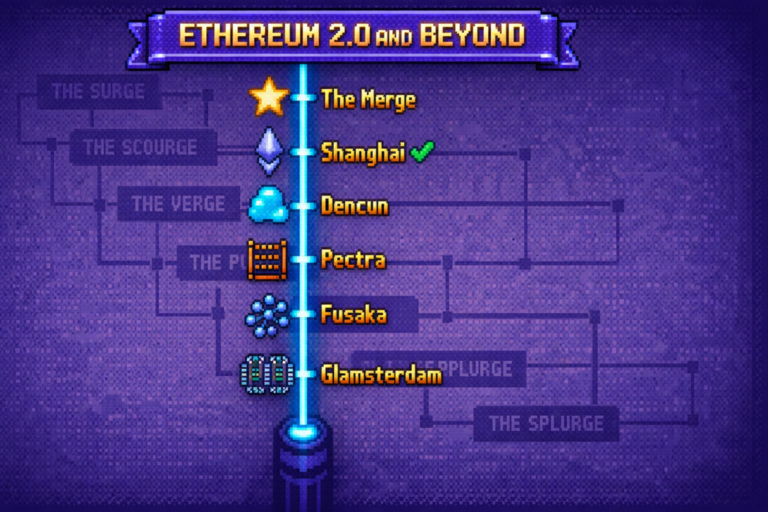
The Post‑Fusaka Acceleration: Ethereum’s Fusaka upgrade on December 3, 2025 reduced transaction fees by roughly 6×, removing the primary economic brake on mass poisoning campaigns. Poisoning attempts spiked from 628,000 in November 2025 to 3.4 million in January 2026, a 5.5× increase in just two months.
Protection Strategies
| Strategy | Implementation |
|---|---|
| Address book / whitelist | Save trusted addresses in your wallet or exchange |
| Full address verification | Verify the entire address, not just first/last characters |
| Test transactions | Send small test amount before large transfers |
| Block unknown addresses | Some wallets can filter out low‑value dust transactions |
| Hardware wallet verification | Verify the full address on device screen |
The $50 Million Warning: Two victims lost $12.25 million and $50 million in 2025‑2026 by copying the wrong addresses from their transaction history. These are not theoretical risks, they are happening now.
Drainer‑as‑a‑Service and Frontend Hijacks
The Industrialization of Wallet Draining: Crypto drainers have become an industrialized threat. Drainer‑as‑a‑Service (DaaS) platforms provide malicious scripts to cybercriminals for a percentage of stolen funds (typically 5‑25%). One DaaS operation stole $59 million from 63,000 individuals using over 10,000 phishing websites.
How Frontend Hijacks Work: In February 2026, Blockaid detected a coordinated campaign compromising five DeFi protocols in a single week. Attackers socially engineered domain registrar support staff to gain control of DNS records, then redirected traffic to attacker‑controlled infrastructure serving fake frontends embedded with the AngelFerno drainer.
The Attack Chain
| Step | Action |
|---|---|
| 1. Social engineering | Attacker manipulates domain registrar staff |
| 2. DNS takeover | Domain records redirected to attacker servers |
| 3. SSL certificate issuance | Fake certificates maintain “secure” appearance |
| 4. Fake frontend deployment | Visually identical site with hidden drainer |
| 5. User interaction | Connect wallet, sign what looks like normal transaction |
| 6. Funds drained | Assets transferred instantly to attacker addresses |
Protection Strategies
| Strategy | Implementation |
|---|---|
| Transaction simulation | Use wallets with transaction simulation (Rabby, Wallet Guard) |
| Revoke approvals regularly | Revoke.cash monthly |
| Limit approvals | Approve exact amounts, not unlimited |
| Verify URLs | Bookmark official sites, never click links |
| Use hardware wallet | Physical confirmation required for all transactions |
| Monitor approvals | Regularly check which contracts have access |
SIM Swapping: The SMS 2FA Killer
What It Is: SIM swapping occurs when a criminal convinces a mobile carrier to transfer a victim’s phone number to a SIM card in their control. Once they control your number, they can reset passwords and bypass SMS‑based 2FA.
The Scale: Over $1.6 billion was lost in the first half of 2026 due to access control failures, including SIM swapping. A British man pleaded guilty to stealing over $1 million in crypto using SIM swapping. A SIM swapper was sentenced to 12 years in federal prison for stealing $22 million in cryptocurrency.
Why SIM Swapping Works: The attack exploits the gap between what telecom networks know and what fraud prevention systems can see. Mobile carriers often have weak authentication procedures for SIM transfers.
Protection Strategies
| Strategy | Effectiveness |
|---|---|
| Never use SMS 2FA | Eliminate entirely |
| Authenticator apps | High (Google Authenticator, Authy) |
| Hardware security keys | Maximum (YubiKey) |
| SIM PIN / port freeze | Moderate (carrier‑dependent) |
| Separate phone number | High (dedicated number for crypto) |
The Golden Rule: If you still use SMS for 2FA on any crypto account, stop reading this guide and change it now.
AI Deepfakes and Social Engineering
The New Frontier of Fraud: Attackers are now deploying Generative AI to automate highly personalized social engineering, making deepfake voice clones and video impersonations the new standard for bypassing traditional security protocols.
How AI Attacks Work
| Attack Type | Method |
|---|---|
| Voice deepfakes | AI clones family member’s voice to request funds |
| Video deepfakes | Fake Elon Musk live streams promising to double crypto |
| Phishing emails | AI‑generated emails indistinguishable from legitimate |
| Impersonation | Scammer poses as CEO, lawyer, or support agent |
The January 2026 $284M Attack: The largest single loss in January 2026 ($284 million) was a social engineering attack: a scammer posing as official Trezor customer service convinced the victim to reveal their seed phrase. No code was hacked. No vulnerability was exploited. A human was manipulated.
Protection Strategies
| Strategy | Implementation |
|---|---|
| Verification code words | Establish secret words with family and partners |
| Call back | If someone calls claiming to be support, hang up and call the official number |
| Never share seed phrase | No legitimate service ever asks for it |
| Be skeptical | If it’s urgent, it’s probably a scam |
The Layered Defense Framework
Security is not a product, it’s a system. No single security measure is sufficient. The goal is to create multiple layers of defense so that the failure of any one layer does not lead to catastrophic loss. This is the “defense in depth” principle from military strategy, applied to crypto.
The Seven‑Layer Model for Crypto Security
| Layer | Measure | Protects Against |
|---|---|---|
| Layer 1 | Hardware security keys (YubiKey) | SIM swapping, phishing, account takeover |
| Layer 2 | Multisig wallet (2‑of‑3 or 3‑of‑5) | Single key compromise |
| Layer 3 | Hardware wallet (Ledger/Trezor) | Remote hacking, malware |
| Layer 4 | Smart contract wallet (social recovery) | Lost keys, wallet compromise |
| Layer 5 | Air‑gapped signing (optional, extreme cases) | All network‑based attacks |
| Layer 6 | 3‑2‑1 backup rule + Shamir | Physical loss, disaster |
| Layer 7 | Monthly security audit (approvals, devices) | Dormant vulnerabilities |
The Tiered Approach Based on Portfolio Size
| Portfolio Size | Minimum Security Stack | Recommended Advanced Stack |
|---|---|---|
| <$10,000 | Hardware wallet + 2FA (authenticator) | Not necessary |
| $10,000‑$50,000 | Hardware wallet + YubiKey + 3‑2‑1 backups | Add multisig (2‑of‑2) |
| $50,000‑$250,000 | Multisig (2‑of‑3) + hardware keys + metal seed | Add smart contract wallet |
| $250,000‑$1M | Multisig (3‑of‑5) + air‑gapped signing | Add DKG, institutional custody |
| >$1M | Institutional‑grade multisig + professional custody | Consult security specialist |
The 80/20 Rule for Security
80% of your security comes from 20% of the effort: hardware wallet, hardware security key, and proper seed backup. The remaining 20% of security (multisig, smart contract wallets, air‑gapped signing) requires 80% of the effort but may be necessary for those with significant holdings.
Our Verdict: How Much Security Is Enough?
Summary Assessment
There’s no single answer to “how much security is enough”. It depends entirely on the value you’re protecting, your technical comfort level, and your risk tolerance. A user with $5,000 in crypto needs a different security posture than an institution with $50 million.
The Tiered Recommendation
| Portfolio Size | Minimum Recommended Stack |
|---|---|
| <$10,000 | Hardware wallet + authenticator app 2FA + 3‑2‑1 backup |
| $10,000‑$50,000 | Hardware wallet + YubiKey + 3‑2‑1 backup (metal seed) |
| $50,000‑$250,000 | Multisig (2‑of‑3) + hardware keys + smart contract wallet |
| >$250,000 | Multisig (3‑of‑5) + air‑gapped signing + professional custody review |
The Bottom Line
The attackers in 2026 are industrialized. They use AI, DaaS platforms, and automated campaigns that target millions simultaneously. Basic security is no longer sufficient for anyone holding significant crypto. The good news is that advanced protection (multisig, hardware security keys, smart contract wallets) is accessible to anyone willing to invest the time to learn. Your crypto is worth protecting. Don’t wait until after a loss to upgrade your security.
Ready to Upgrade Your Security?
Read our Hardware Wallet Comparison Guide
Read our Multisig Wallet Setup Guide
Subscribe to our Newsletter for monthly security updates
🎟️ Special Promotion: Coinfest Asia 2026
The world’s largest crypto festival returns to Bali!
Join 15,000+ attendees from 90+ countries on 20‑21 August 2026.
Use promo code A20ARTAKG at checkout for 20% off your ticket.
👉 Buy Your Coinfest Asia 2026 Tickets Now
Disclaimer: This guide is for educational purposes only and does not constitute financial or legal advice. Security is a process, not a product. No solution is 100% unhackable. Always do your own research and consult security professionals for high‑value holdings.
This guide was last updated for the 2026 edition. Threat vectors, attack techniques, and security best practices evolve rapidly. Always verify current information from authoritative sources.
Frequently Asked Questions
How to set up a multisig wallet for crypto?
Use a multisig‑compatible wallet like Electrum (Bitcoin), Specter (Bitcoin), or Safe (EVM chains). Generate keys on separate hardware devices (minimum 2, ideally 3). Define your signing threshold (e.g., 2‑of‑3). Test with small amounts before moving significant funds. Never store all keys in the same physical location.
What is a hardware security key for crypto?
A hardware security key (e.g., YubiKey) is a physical device that uses FIDO2/U2F protocol to authenticate your identity. Unlike authenticator apps, hardware keys are resistant to phishing because the cryptographic signature is bound to the specific website’s origin. Use them to secure exchange accounts, email accounts, and password managers.
How to protect against SIM swap attacks in 2026?
Never use SMS‑based 2FA. Switch to authenticator apps (Google Authenticator, Authy) or, better, hardware security keys (YubiKey). Contact your mobile carrier to add a SIM port freeze or PIN requirement. Consider using a dedicated phone number for crypto‑related accounts.
What is address poisoning and how to avoid it?
Address poisoning is when attackers send dust transactions from lookalike addresses that match your frequent contacts. If you copy from transaction history instead of your saved address book, you send funds to the scammer. Prevention: use address book/whitelist, verify full addresses (not just first/last characters), and test with small amounts.
How does MPC crypto wallet work?
MPC (Multi‑Party Computation) wallets split your private key into multiple shards distributed across different parties. Unlike multisig, which requires multiple signatures on‑chain, MPC produces a single signature (lower gas costs but less on‑chain auditability).
What is the difference between multisig and MPC?
Multisig uses multiple full private keys; each signature is visible on‑chain. MPC distributes key shards; the final signature is a single signature. Multisig has lower complexity and better auditability; MPC has lower gas costs and better privacy.
What is Distributed Key Generation (DKG) in crypto?
DKG is a cryptographic protocol that allows multiple parties to jointly generate a shared public key without any party ever holding the full private key. Star DKG, released by Circle Research in April 2026, is designed specifically for hardware‑secured wallets, addressing technical gaps in production MPC systems.
What is the 3‑2‑1 backup rule for crypto?
Keep 3 total copies of your seed phrase, stored on 2 different media types (e.g., paper + metal), with 1 copy stored off‑site (different physical location). For holdings over $50,000, upgrade from paper to metal seed storage.
What is Shamir Backup for crypto?
Shamir Backup (SLIP39) splits your seed phrase into multiple shares. You define the threshold needed to recover (e.g., 2‑of‑3 or 3‑of‑5). Theft of one share doesn’t compromise funds; loss of one share doesn’t lock you out. Supported by Trezor and certain smart contract wallets.
Are smart contract wallets safe?
Smart contract wallets offer advanced security features (multisig, social recovery, spending limits) but introduce additional smart contract risk (the code could have vulnerabilities). For high‑value holdings, use battle‑tested platforms like Safe (formerly Gnosis Safe) with hardware wallet signers.
How to protect against wallet drainers in 2026?
Use wallets with transaction simulation (Rabby, Wallet Guard) to preview what a transaction will do before signing. Revoke unused approvals monthly using Revoke.cash. Limit approvals to exact amounts when possible. Use hardware wallets for physical confirmation. Never approve “unlimited” allowances for unknown contracts.
What is the best 2FA for crypto exchanges in 2026?
Hardware security keys (YubiKey) are the best, followed by authenticator apps (Google Authenticator, Authy). Never use SMS‑based 2FA. SIM swapping attacks have cost victims millions.
What is the difference between a hardware wallet and a hardware security key?
A hardware wallet (Ledger, Trezor) stores cryptocurrency private keys and signs transactions. A hardware security key (YubiKey) authenticates your identity to websites and services. Both are physical devices, but they serve different purposes. For maximum security, use both.
Can a hardware wallet be hacked?
Hardware wallets cannot be remotely hacked, private keys never leave the secure element. However, users can be tricked into signing malicious transactions (blind signing) or revealing seed phrases through social engineering. Hardware wallets protect against remote attacks, not user mistakes.
About the Author